How Fluorescent Lamps Work:
This section explains how fluorescent lamps make light. We will explore the scientific steps that produce their shine.
The Basic Mechanism: Gas Discharge and Phosphor Coating
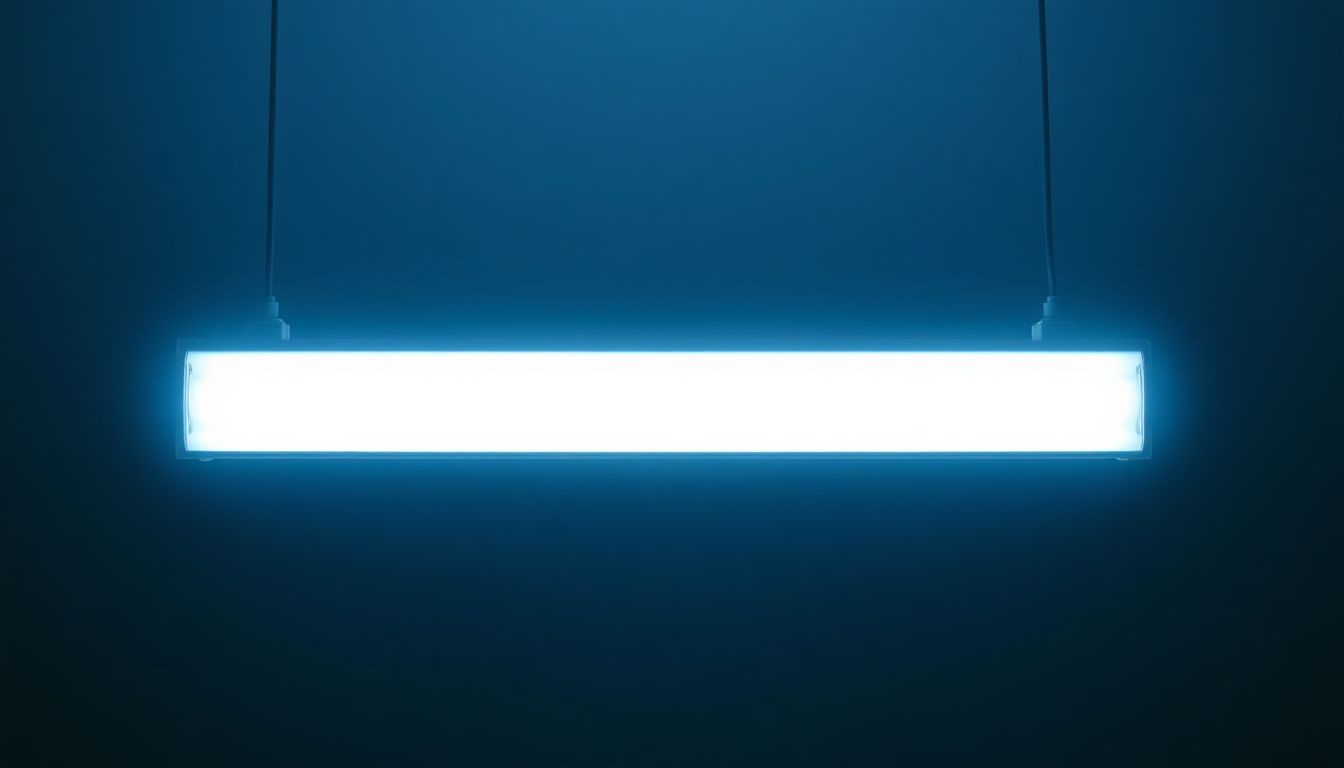
Fluorescent lamps use a clever trick to light up our spaces. Inside the glass tube is a small amount of gas. This gas is usually mercury vapor. There are also electrodes at each end of the tube.
When you turn on the light, electricity flows through the tube. This current excites the mercury atoms in the gas. These excited atoms then release ultraviolet (UV) light. UV light is invisible to our eyes. But the tube’s inner surface has a special coating. This coating is made of phosphors. When the UV light hits this phosphor coating, it changes. The phosphors then emit visible light, making the lamp glow.
Types of Fluorescent Lamp Technologies
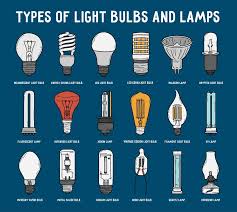
Not all fluorescent lamps are the same. They come in different types, each with its own design. Knowing the differences helps you pick the right one.
Linear fluorescent tubes are the most common. These are the long, straight tubes you see in many places. T12, T8, and T5 refer to their diameter. T12 lamps are older and use more energy. T8 lamps are thinner and more efficient. T5 lamps are the th thinnest and most energy-saving of the three. Each type fits specific fixtures.
Compact fluorescent lamps, or CFLs, are another type. These bulbs have a coiled or bent tube design. They often come with a screw-in base. This design allows them to fit into standard light bulb sockets. Many CFLs have a small ballast built right into their base.
Some fluorescent lamps have special uses. Germicidal lamps, for example, produce UV-C light. This light can kill germs and bacteria. Black light lamps emit UV-A light. This light makes certain materials glow in the dark, often used for artistic effects.
Advantages of Fluorescent Lighting
Fluorescent lamps offer many benefits. These good points made them a popular choice for homes and businesses.
Energy Efficiency and Cost Savings
One big reason people picked fluorescent lamps was their efficiency. They use much less energy than older incandescent bulbs. A fluorescent lamp can produce about 50 to 100 lumens per watt. Incandescent bulbs only manage about 10 to 18 lumens per watt. This means fluorescent lights give you more light for less power.
Switching to fluorescent lighting can cut your electricity bills. Businesses especially see big savings in their energy costs. Many places used to offer money back or other perks for choosing energy-saving lights. These programs helped boost their use even more.
Long Lifespan and Durability
Fluorescent lamps last a long time. Their average lifespan is around 10,000 to 20,000 hours. This is much longer than a typical incandescent bulb, which might only last 1,000 hours. This extended life means you don’t have to change bulbs as often.
Fewer replacements save money on new lamps. It also cuts down on labor costs for changing them out. For big buildings or places with high ceilings, this is a major plus. Compared to incandescent, fluorescent lamps clearly win in terms of longevity.
Light Quality and Color Rendering
Fluorescent lamps can offer good light quality. Color Rendering Index, or CRI, tells us how true colors look under a light. A CRI of 100 is perfect. Many fluorescent lamps have a CRI between 70 and 90. This makes colors appear quite natural.
You can also choose different color temperatures with fluorescent lights. Warm white light feels cozy, like traditional bulbs. Cool white light is brighter and more neutral. Daylight lamps mimic natural sunlight. This variety lets you set the right mood or brightness for any area. High CRI is very useful in places like retail stores or art galleries. It helps products or artwork look their best.
Disadvantages and Considerations
While fluorescent lamps have many upsides, they also have some downsides. It’s important to know these before choosing them.
Environmental Impact and Disposal
A key concern with fluorescent lamps is mercury. Each bulb contains a small amount of this toxic metal. If a bulb breaks, this mercury can escape. Breathing in mercury vapor can be harmful.
Because of the mercury, you cannot just throw fluorescent bulbs in the regular trash. They need special disposal. Many communities have recycling programs for these lamps. They collect the bulbs and safely remove the mercury. This protects our environment from harmful waste.
Flickering and Warm-up Time
Have you ever seen a fluorescent light flicker? This can happen, especially with older lamps or ballasts. This rapid on-off effect can be annoying. It may even cause eye strain or headaches for some people.
Fluorescent lamps also need time to warm up. They do not turn on instantly at full brightness. It can take a few seconds or even a minute for them to reach their full glow. This makes them less ideal for places where you often turn lights on and off. Think about a closet or a bathroom.
Ballast Issues and Maintenance
Every fluorescent lamp needs a ballast to work. This device controls the electric current to the lamp. Older magnetic ballasts can hum or buzz. They can also cause the flickering mentioned earlier. When a ballast fails, the lamp won’t light up.
Modern electronic ballasts are much better. They are quiet and prevent flickering. They also help lamps start faster. However, ballasts can still wear out. Replacing a ballast means more than just screwing in a new bulb. It involves working inside the light fixture itself.
The Future of Fluorescent Lighting and Alternatives
The lighting world is always changing. Fluorescent lamps are now facing new challenges.
Declining Popularity and Regulatory Changes
Fluorescent lamps are becoming less popular. New energy rules are a big reason why. Many governments are phasing out less efficient lighting types. This includes some common fluorescent lamps. The goal is to push for more energy-saving options.
Consumers and businesses are also changing their minds. People want lights that are even more efficient and easier to use. This shift is leading away from fluorescent technology. The market is clearly moving towards newer types of lighting.
The Rise of LED Technology
LED technology has truly transformed lighting. LEDs are much more energy-efficient than fluorescent lamps. They also last much longer. An LED bulb can last 25,000 to 50,000 hours, or even more.
LEDs offer many other benefits too. They turn on instantly. Many are dimmable and can even change colors. They are also very durable and create less heat. Businesses are replacing old fluorescent systems with LEDs. This helps them save a lot on energy and maintenance.
When Fluorescent Lamps Still Make Sense
Even with LEDs around, fluorescent lamps still have a place. For some big buildings, replacing every fluorescent fixture with LED can be costly. It might be cheaper to just keep using fluorescent lamps if the existing setup works fine. This is true for projects with tight budgets or very large spaces.
Certain industrial or special uses might still prefer fluorescent lighting. For example, some grow lights or tanning beds use specific fluorescent tubes. If a business already has a working fluorescent system, sticking with it for a while might make sense financially.
Conclusion
Fluorescent lamps changed how we light our world. They work by sending electricity through mercury vapor to create UV light. A special coating then turns this UV light into visible light. These lamps brought big energy savings and lasted much longer than old incandescent bulbs. They helped cut down electricity bills for many years.
Yet, fluorescent lights also have their challenges. They contain mercury, which needs careful handling and recycling. Some can flicker or take time to warm up. Their ballasts can also wear out. Despite these points, fluorescent lamps played a huge role in lighting history.